


Softening, Opening & Remembering Beauty
There is something about Rose that almost everyone understands instinctively.
Even people who know very little about plants seem to recognize that Rose carries a certain kind of medicine.
Not medicine in the pharmaceutical sense, but something older and perhaps intuitively wiser.
A reminder to slow down. To soften. To notice beauty before it passes by.
Perhaps that is why Rose has remained beloved for thousands of years. It speaks a language that feels universally understood.
I sometimes think Rose suffers from being too familiar. We see it in bouquets, gardens, perfumes, and greeting cards and assume we already know everything there is to know about it.
But Rose is far more than a symbol of romance.
For centuries herbalists, perfumers, healers, and gardeners have turned to Rose during times of grief, heartbreak, exhaustion, irritation, and emotional overwhelm. It has long been considered a plant for the heart—not only the physical heart, but the emotional one as well.
When life feels sharp around the edges, Rose has a way of helping us meet it with a little more grace.
Botanical Profile
Botanical Name: Rosa spp.
Common Names: Rose, Damask Rose, Apothecary Rose, Cabbage Rose
Family: Rosaceae
Plant Parts Used: Petals, flower buds, rose hips
Native Range: Europe, Asia, North Africa, and the Middle East
Cultivation: Roses thrive in full sun, fertile well-drained soil, and benefit from regular pruning and good air circulation.
Botanical Relatives & Species
The genus Rosa contains more than 300 recognized species and thousands of cultivated varieties. While many possess medicinal value, only a handful are commonly used in herbal medicine and aromatherapy.
Rosa damascena
Damask Rose
Considered the gold standard of rose essential oil production. Its fragrance is rich, honeyed, complex, and deeply floral. Most of the world's finest rose essential oil comes from this species.
Rosa centifolia
Cabbage Rose
Known as the "hundred-petaled rose," Centifolia produces a softer, sweeter fragrance and is widely used in perfumery, particularly in rose absolutes.
Rosa gallica
Apothecary Rose
One of the oldest cultivated medicinal roses in Europe. Historically grown in monastery gardens and traditional apothecaries.
Rosa alba
White Rose
A highly fragrant ancient rose valued in traditional skincare, perfumery, and herbal preparations.
Rosa canina
Dog Rose
Best known for its bright red rose hips, which are rich in vitamin C and have a long history of use in traditional herbal medicine.
While each species offers something unique, Rosa damascena remains the primary rose used in modern aromatherapy.
Historical Roots
Rose has accompanied humanity for thousands of years.
Ancient Egyptians incorporated rose into beauty rituals and ceremonial preparations. The Greeks associated roses with Aphrodite, goddess of love and beauty, while the Romans scattered petals across banquet halls and public celebrations.
Persian physicians were among the first to perfect the art of rose water distillation, helping establish a tradition that would eventually influence both herbal medicine and perfumery around the world.
Throughout Europe, rose petals were used in syrups, conserves, cordials, vinegars, electuaries, and medicinal preparations intended to comfort the heart, cool excess heat, and soothe irritation.
Few plants have maintained such continuous admiration across so many cultures and generations.
Traditional Uses
Rose has traditionally been valued as both a medicine and a symbol of emotional wellbeing.
Historically, it has been associated with:
-
Grief and heartbreak
-
Emotional exhaustion
-
Irritability and frustration
-
Heat and inflammation
-
Dry or sensitive skin
-
Digestive discomfort
-
Nervous tension
-
General emotional imbalance
Traditional herbal systems often described Rose as cooling, soothing, and harmonizing.
Rose petals were prepared as teas, syrups, vinegars, conserves, infused honeys, and medicinal waters. Herbalists frequently turned to Rose when someone felt emotionally depleted, overheated, or disconnected from joy.
What This Plant Invites
🌹 Rose
For when life feels hard and your heart is asking for a little more softness.
Rose invites tenderness without fragility. It reminds us that keeping our hearts open requires courage and that gentleness is often a form of strength.
Invites:
-
Self-compassion
-
Emotional resilience
-
Connection
-
Gentleness
-
Presence
-
Heart-centered awareness
Aromatic Profile
Extraction Method: Steam Distillation (Essential Oil), Solvent Extraction (Absolute)
Plant Part Distilled: Petals
Aroma Family: Floral
Perfumery Note: Middle to Base
Aromatic Strength: Medium to Strong
Primary Constituents & Their Significance
Citronellol
One of Rose's most abundant constituents, citronellol contributes the fresh floral sweetness that makes rose instantly recognizable. It has also been studied for its soothing and calming properties, helping explain Rose's longstanding reputation as a plant associated with emotional comfort and nervous system support.
Geraniol
Provides bright floral notes with subtle citrus undertones and contributes significantly to Rose's elegant, radiant character. Research has explored its antioxidant, antimicrobial, and skin-supportive properties, making it an important contributor to Rose's traditional use in skincare and wellness preparations.
Nerol
Adds softness, sweetness, and a delicate freshness to the fragrance. Nerol has demonstrated antioxidant and skin-supportive qualities that complement Rose's historical role in beauty rituals and botanical skincare.
Phenethyl Alcohol
One of the compounds responsible for the unmistakable scent of fresh rose petals and a significant contributor to the aroma of rose hydrosol. It contributes gentle antimicrobial properties and helps create the distinctive freshness associated with living roses.
Farnesol
Contributes depth, warmth, and longevity while helping anchor the lighter floral notes within the fragrance. It complements Rose's traditional reputation as a soothing, harmonizing botanical and plays an important role in the oil's lasting aroma.
Blending Partners
Rose blends beautifully with:
-
Frankincense
-
Sandalwood
-
Neroli
-
Lavender
-
Geranium
-
Bergamot
-
Grapefruit
-
Patchouli
-
Clary Sage
-
Jasmine
-
Ylang Ylang
Its ability to harmonize and soften other oils makes Rose one of the most versatile floral ingredients in perfumery and aromatherapy.
Modern Research
Modern research continues to explore Rose's effects on emotional wellbeing, skin health, and overall wellness.
Studies have investigated Rose's antioxidant activity, skin-soothing properties, antimicrobial effects, and potential role in promoting relaxation and emotional comfort.
Researchers have also examined the influence of rose aroma on mood, stress perception, and emotional wellbeing.
While science continues to uncover new insights, many of Rose's traditional applications remain remarkably consistent with its historical use.
Practical Applications
Rose can be incorporated into daily life in many forms.
As a tea, Rose offers a gentle floral infusion that pairs beautifully with herbs such as chamomile, lemon balm, lavender, and tulsi.
Rose petals are frequently included in herbal blends intended to bring beauty, aroma, and emotional comfort to everyday rituals.
In aromatherapy, Rose essential oil or absolute are often chosen during times of:
-
Grief
-
Heartbreak
-
Emotional overwhelm
-
Burnout
-
Irritability
-
Major life transitions
Because genuine rose oil is highly concentrated, only a small amount is needed to transform a blend.
Rose hydrosol provides a softer and more accessible way to experience the plant's aromatic qualities on a daily basis.
Growing & Harvesting
Growing roses teaches patience.
While modern hybrids often receive most of the attention, many of the most fragrant and medicinally valuable roses are older varieties that have been cultivated for generations.
For herbal and aromatic use, petals should be harvested shortly after the flowers open, ideally in the morning after the dew has evaporated but before the heat of the day arrives.
The fragrance is often at its peak during these early hours.
Rose hips are harvested later in the season once they have fully ripened and developed their characteristic colour.
Like many beloved garden plants, Rose rewards those who spend time observing it closely.
In the Apothecary
Rose can be found in:
-
Essential oils
-
Absolutes
-
Hydrosols
-
Herbal teas
-
Tinctures
-
Infused honeys
-
Facial mists
-
Botanical skincare
-
Bath preparations
-
Natural perfumes
Common Preparations
Tea
A fragrant floral infusion traditionally enjoyed on its own or blended with herbs such as chamomile, lavender, lemon balm, and tulsi.
Hydrosol
One of the most versatile rose preparations. Used as a facial mist, toner, room spray, linen spray, or cooling aromatic mist.
Essential Oil / Absolute
One of the most precious aromatic materials in the world. Used sparingly in perfumery, emotional wellness blends, and luxury skincare.
Infused Honey
Rose petals infused into honey create a beautiful preparation that can be added to tea, drizzled over desserts, or enjoyed by the spoonful.
Botanical Skincare
Rose is frequently incorporated into facial oils, creams, masks, serums, and toners intended for dry, mature, or sensitive skin.
At Morgans Apothecary, Rose often finds its way into products intended to bring softness, comfort, beauty, and ritual into everyday life.
Safety Considerations
Rose essential oil and rose absolute are generally considered safe when properly diluted.
For topical use:
-
Dilute before application
-
Perform a patch test for sensitive skin
-
Use caution around the eyes and mucous membranes
-
Follow established aromatherapy dilution guidelines
Rose hydrosol is significantly gentler and may be used more liberally.
Final Thoughts
Every year, Rose reminds me that some of the most powerful medicines do not demand our attention.
They simply invite it.
A rose bush never rushes itself into bloom before the season is right. It opens gradually, petal by petal, trusting the process completely.
Perhaps that is why so many of us are drawn to it.
Not because Rose teaches us how to do more.
But because it reminds us how to be.
References
Botany & Ecology
- Royal Botanic Gardens, Kew. Plants of the World Online.
Western Herbalism
- Gladstar, R. Medicinal Herbs: A Beginner's Guide.
Aromatherapy
- Battaglia, S. The Complete Guide to Aromatherapy.
- Tisserand, R., & Young, R. Essential Oil Safety.
- Worwood, V. A. The Complete Book of Essential Oils and Aromatherapy.
Scientific Literature
- Boskabady, M. H., Shafei, M. N., Saberi, Z., & Amini, S. (2011). Pharmacological effects of Rosa damascena. Iranian Journal of Basic Medical Sciences, 14(4), 295–307.
- American Botanical Council. HerbalGram monograph on Rosa species.
Featured products
-
Rose Absolute (India)
 Rose Absolute (India)
- Regular price
-
$20.00 CAD $180.00 CAD - Regular price
-
- Sale price
-
$20.00 CAD $180.00 CAD
-
Rose Absolute (Morocco)
 Rose Absolute (Morocco)
- Regular price
-
$24.00 CAD $240.00 CAD - Regular price
-
- Sale price
-
$24.00 CAD $240.00 CAD
-
Rosehip Facial Oil
 Rosehip Facial Oil
- Regular price
-
$85.00 CAD $130.00 CAD - Regular price
-
- Sale price
-
$85.00 CAD $130.00 CAD
-
Rose Garden Hibiscus, Rose & Rooibos Tea
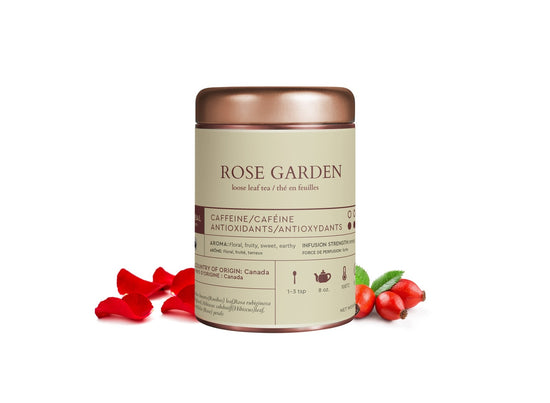 Rose Garden Hibiscus, Rose & Rooibos Tea
- Regular price
-
$0.38 CAD $24.00 CAD - Regular price
-
- Sale price
-
$0.38 CAD $24.00 CAD


